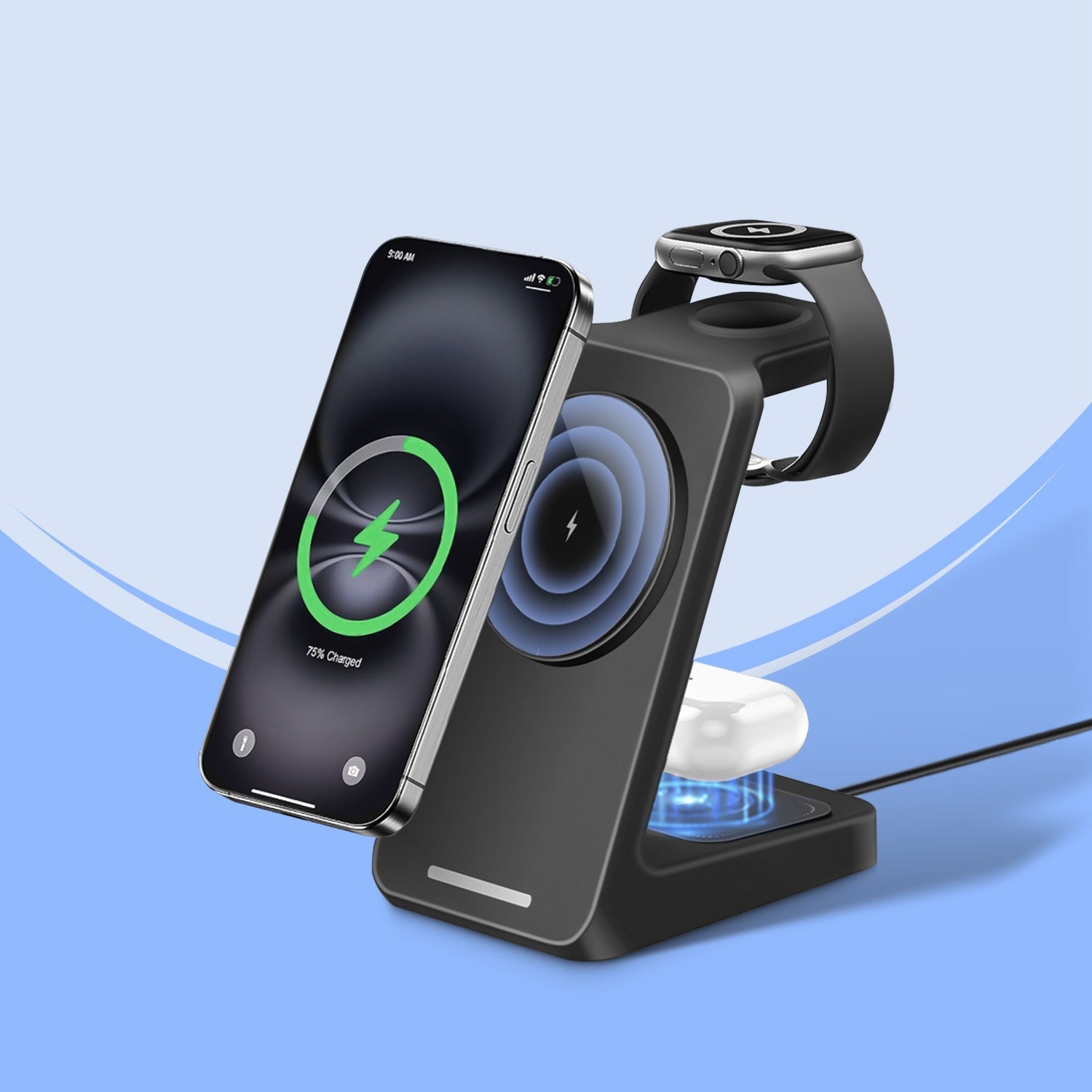
Understanding the Science Behind Wireless Charging: How It Works
Wireless charging is a revolutionary technology that allows devices to be charged without the need for physical cables. At the core of this technology lies electromagnetic induction, which involves transferring energy between two coils: a transmitter coil in the charging pad and a receiver coil in the device being charged. When an electric current flows through the transmitter coil, it creates an electromagnetic field. This field induces a voltage in the receiver coil, allowing for the transfer of energy. With advancements in this technology, we now see faster charging rates and increased efficiency, making wires obsolete for many everyday devices.
To better understand wireless charging, consider the following steps involved in the process:
- Power Supply: The charging pad is connected to a power source, generating an electric current.
- Electromagnetic Field Creation: The transmitter coil creates an electromagnetic field based on the alternating current.
- Energy Transmission: When a compatible device is placed on the pad, the receiver coil picks up the energy and converts it back into direct current.
- Battery Charging: Finally, this current charges the device's battery.
This seamless process highlights how wireless charging combines convenience and technology into a user-friendly experience.
Counter-Strike is a tactical first-person shooter game that has gained immense popularity since its release. Players join either the terrorist or counter-terrorist team and compete in various objective-based modes. For those looking to protect their devices while showcasing style, check out the Top 10 iphone slim cases that offer both functionality and design. The game's strategic elements and teamwork mechanics have made it a staple in esports, attracting a dedicated community of players and fans.
The Pros and Cons of Wireless Charging: Is It Right for You?
Wireless charging offers a range of advantages that appeal to many users, making it a popular choice for modern devices. One of the main pros is convenience; simply placing your device on a charging pad eliminates the hassle of tangled cables and the need to find the right charging port. Additionally, wireless chargers often use the Qi standard, which means they are compatible with a wide variety of devices, including smartphones and smartwatches. Furthermore, wireless charging can help to prolong battery life since many charging pads stop delivering power once the device reaches full charge, preventing overcharging.
However, wireless charging is not without its downsides. One significant con is the relatively slow charging speed compared to traditional wired chargers, which can be a disadvantage when you need a quick boost of power. Additionally, wireless chargers usually come at a higher price point than standard chargers. It's also important to consider placement; if your device is not aligned correctly on the charging pad, it may not charge at all. To determine if wireless charging is right for you, weigh these pros and cons based on your lifestyle and charging needs.
Can Wireless Charging Damage My Devices? Debunking Common Myths
Wireless charging has revolutionized the way we power our devices, but concerns about its safety and efficiency still linger. Many users wonder, can wireless charging damage my devices? The simple answer is no. Wireless charging systems use electromagnetic fields to transfer energy between the charging pad and the device, a process that is designed to be safe and efficient. In fact, reputable manufacturers take extensive measures to ensure that their wireless chargers adhere to strict safety standards, minimizing the risk of overheating and battery damage.
However, some common myths perpetuate fears about wireless charging. One frequent misconception is that it causes excessive heat buildup, which could harm battery life. While it's true that wireless charging generates some heat, modern devices are equipped with temperature regulation systems that prevent overheating. Furthermore, it's advisable to use quality charging pads and keep your devices free of cases that can trap heat during the charging process. By following these guidelines, you can enjoy the convenience of wireless charging without concerns about damaging your devices.