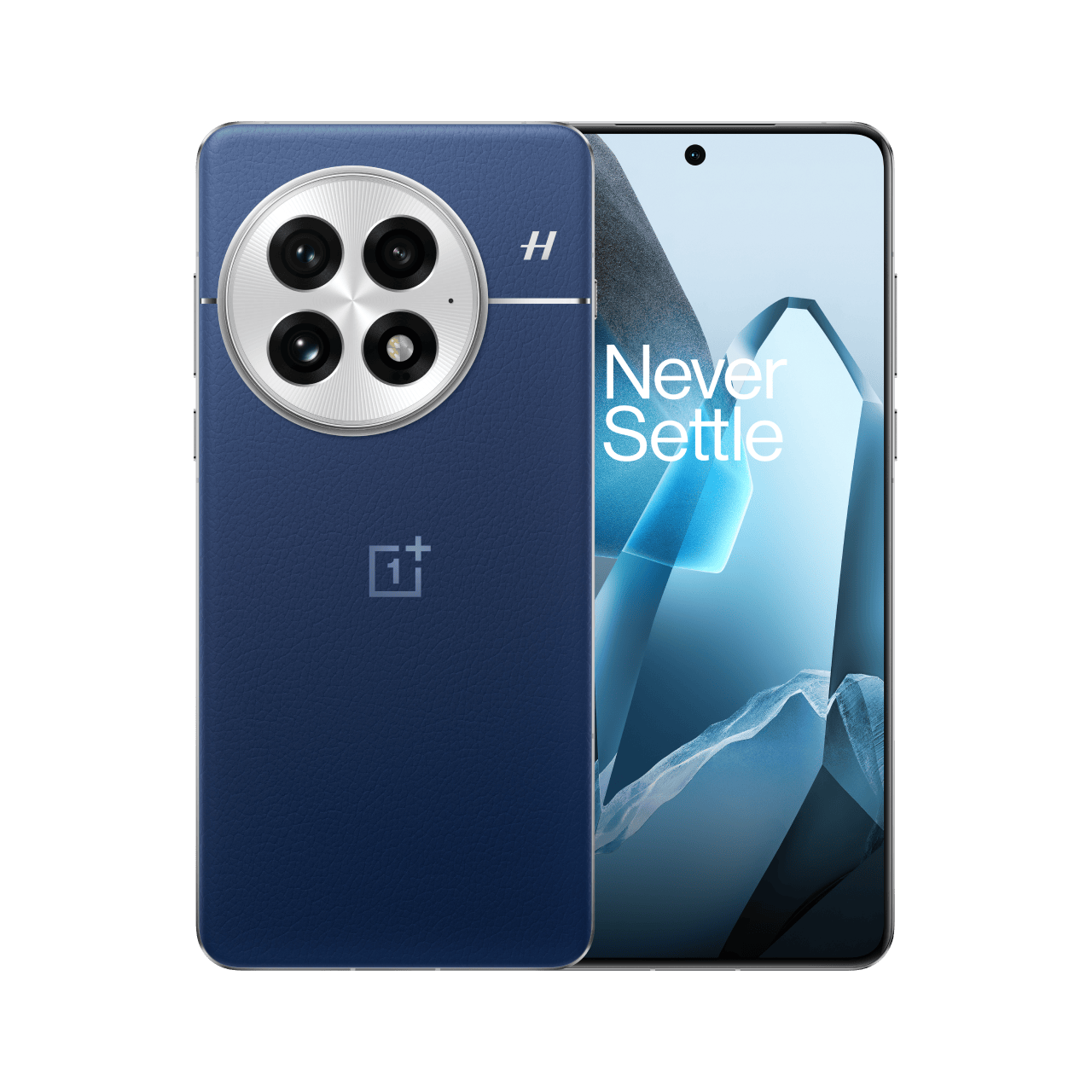
The Psychology Behind Phone Addiction: Why We Can't Put Our Devices Down
The phenomenon of phone addiction can be traced back to several psychological triggers that keep users returning to their screens. One of the primary factors is the brain's reward system. When we receive a notification or interact with our device, our brain releases dopamine, a neurotransmitter associated with pleasure and reinforcement. This psychological response creates a cycle of dependence, as users are conditioned to seek out the immediate fulfillment that their devices provide. Additionally, the fear of missing out (FOMO) often fuels excessive usage, leading individuals to constantly check their phones for updates on social media, news, or messages.
Moreover, the design of mobile applications and social media platforms plays a significant role in fostering phone addiction. Many apps are built with features like infinite scrolling and instant notifications, which can trap users in a cycle of engagement. This design strategy capitalizes on our innate curiosity and the human desire for social validation. As a result, the need to check and respond to our devices can overshadow other important aspects of life, such as personal relationships and mental well-being. Understanding these underlying psychological factors is crucial for developing healthier digital habits.
Counter-Strike is a popular first-person shooter game that emphasizes team-based gameplay and strategic execution. Players can choose between two opposing teams, terrorists and counter-terrorists, each with specific objectives to complete. To enhance your gaming experience, you might be interested in exploring the Top 10 iphone 17 accessories that can improve your setup. The game's competitive nature has led to a thriving esports scene, making it a staple in the gaming community.
Top 5 Daily Distractions Caused by Your Smartphone and How to Combat Them
In today's fast-paced digital age, our smartphones have become both helpers and hindrances in our daily lives. As we strive to increase productivity, it's important to recognize that these devices can lead to numerous distractions. Here are the top 5 daily distractions caused by your smartphone:
- Social Media Notifications: Constant pings from social media can easily derail your focus.
- Endless Scrolling: The temptation to scroll through feeds can consume your valuable time.
- Text Messages: Frequent texting can interrupt tasks and diminish concentration.
- Games and Apps: Engaging apps lure users away from more important responsibilities.
- News Alerts: Breaking news notifications can incite anxiety and divert attention.
To combat these distractions effectively, consider implementing these strategies:
- Set Specific Times: Schedule dedicated times for checking social media or messages, instead of responding immediately.
- Use Focus Mode: Most smartphones have a focus mode that silences distractions during important tasks.
- Limit App Usage: Use screen time management tools to reduce hours spent on distracting apps.
- Create Phone-Free Zones: Establish areas or times where phone usage is not allowed to foster uninterrupted work.
- Practice Digital Detox: Regularly disconnect from your smartphone to refresh your mind and regain focus.
Is Your Phone a Productivity Killer? Discovering the Hidden Costs of Constant Connectivity
In today's fast-paced world, our smartphones have become indispensable tools for communication, information, and entertainment. However, the constant connectivity provided by these devices can often turn them into productivity killers. The incessant notifications from apps, social media, and emails can severely disrupt our focus, leading to longer task completion times and increased stress levels. A recent study found that the average smartphone user checks their device over 150 times a day, pulling attention away from vital tasks and undermining productivity. Are we truly aware of the hidden costs associated with our compulsive phone usage?
Aside from the overt distractions, the impact of constant connectivity extends to our mental well-being. The more we rely on our smartphones for quick answers and interactions, the less capable we become at engaging in deep, meaningful tasks and conversations. Over time, this dependency can lead to diminished cognitive abilities, as our brains struggle to retain information that we previously would have memorized. Furthermore, the urge to stay connected can result in feelings of anxiety and discontent, as we often find ourselves comparing our lives to the curated images on social media platforms. Recognizing these points is crucial for anyone looking to regain control over their productivity and mental health in an increasingly connected world.