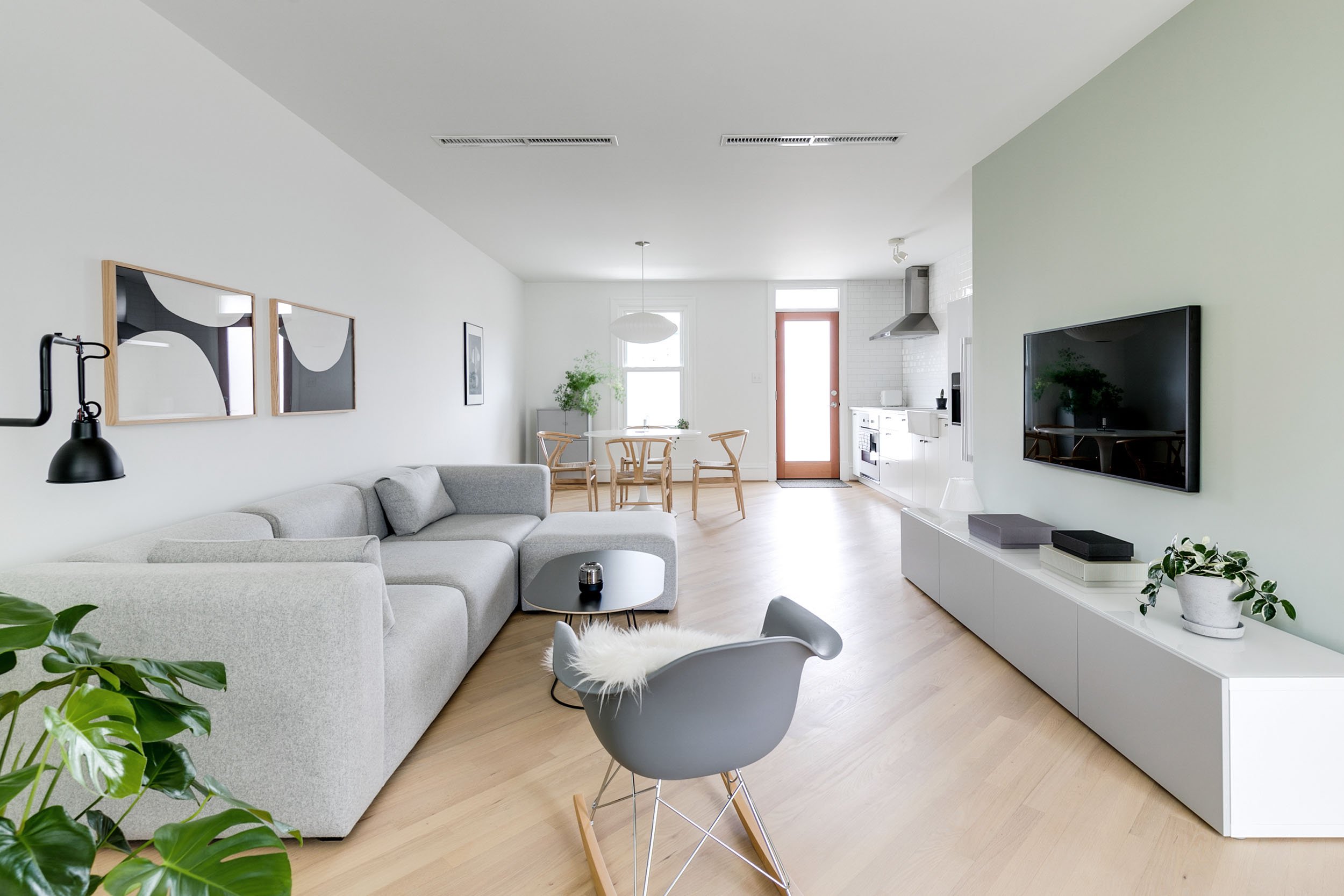
The Power of Minimalism: How to Declutter Your Mind and Space
The Power of Minimalism lies in its ability to transform not only our physical spaces but also our mental landscapes. By embracing a minimalist lifestyle, you can declutter your mind and space, paving the way for greater clarity and focus. Start by identifying the items that truly add value to your life. Consider implementing the One In, One Out rule; for every new item you bring into your home, choose one to let go of. This habit can prevent accumulation and help maintain a streamlined environment.
Additionally, taking the time to clear your space can significantly impact your mental state. Decluttering not only involves physical items but extends to digital spaces as well. Set aside dedicated time each week to sort through emails, files, and even social media accounts. The benefits of such actions are profound. Research shows that a more organized environment can lead to reduced stress levels, increased productivity, and even enhanced creativity. By committing to minimalism, you create a sanctuary for your thoughts and priorities.
Counter-Strike is a highly popular first-person shooter game that originated as a mod for Half-Life. Players can engage in team-based battles where they can choose to play as either terrorists or counter-terrorists. For gamers looking to enhance their experience and keep their valuables secure, exploring the Top 10 airtag wallets can be a great option.
10 Simple Steps to a Minimalist Lifestyle for Greater Peace
Embracing a minimalist lifestyle can lead to greater peace and clarity in your life. By decluttering both your physical and mental space, you create room for what truly matters. Here are 10 simple steps to help you transition towards minimalism:
- Assess Your Space: Take a critical look at your home and identify items that you no longer use or need.
- Set Clear Goals: Define what minimalism means for you and what you hope to achieve through this lifestyle.
- Start Small: Begin with one room or area, tackling it systematically.
- Reduce Impulse Purchases: Wait 30 days before buying anything new to see if you still want it.
As you progress, allow these steps to guide you towards a more peaceful existence. Here are the rest of the 10 simple steps:
- Digitize Documents: Scan important papers and organize them electronically to free up physical space.
- Limit Your Wardrobe: Create a capsule wardrobe that consists of versatile and essential clothing.
- Practice Mindfulness: Take time each day to reflect and appreciate the present moment.
- Commit to Regular Decluttering: Schedule regular intervals, like once a month, to reassess your belongings.
- Learn to Say No: Protect your time and space by declining commitments that don’t serve your well-being.
Is Minimalism the Key to Better Mental Health and Well-Being?
Minimalism has gained significant attention in recent years, especially regarding its potential impact on mental health and well-being. At its core, minimalism encourages individuals to reduce physical and emotional clutter, leading to a more focused and serene lifestyle. By prioritizing what truly matters and eliminating excess, people can create a space that fosters creativity, mindfulness, and overall peace of mind. Studies have shown that a minimalist lifestyle often correlates with reduced anxiety, as individuals feel less overwhelmed by their surroundings and obligations.
The benefits of embracing minimalism extend beyond mere decluttering; it encourages individuals to reflect on their values and priorities. When people limit their possessions and distractions, they can cultivate a deeper connection to themselves and their relationships. This intentional approach to life can lead to improved mental health, as individuals experience greater satisfaction and fulfillment. In essence, minimalism serves as a powerful tool for enhancing well-being, allowing individuals to focus on what truly brings them joy and contentment.