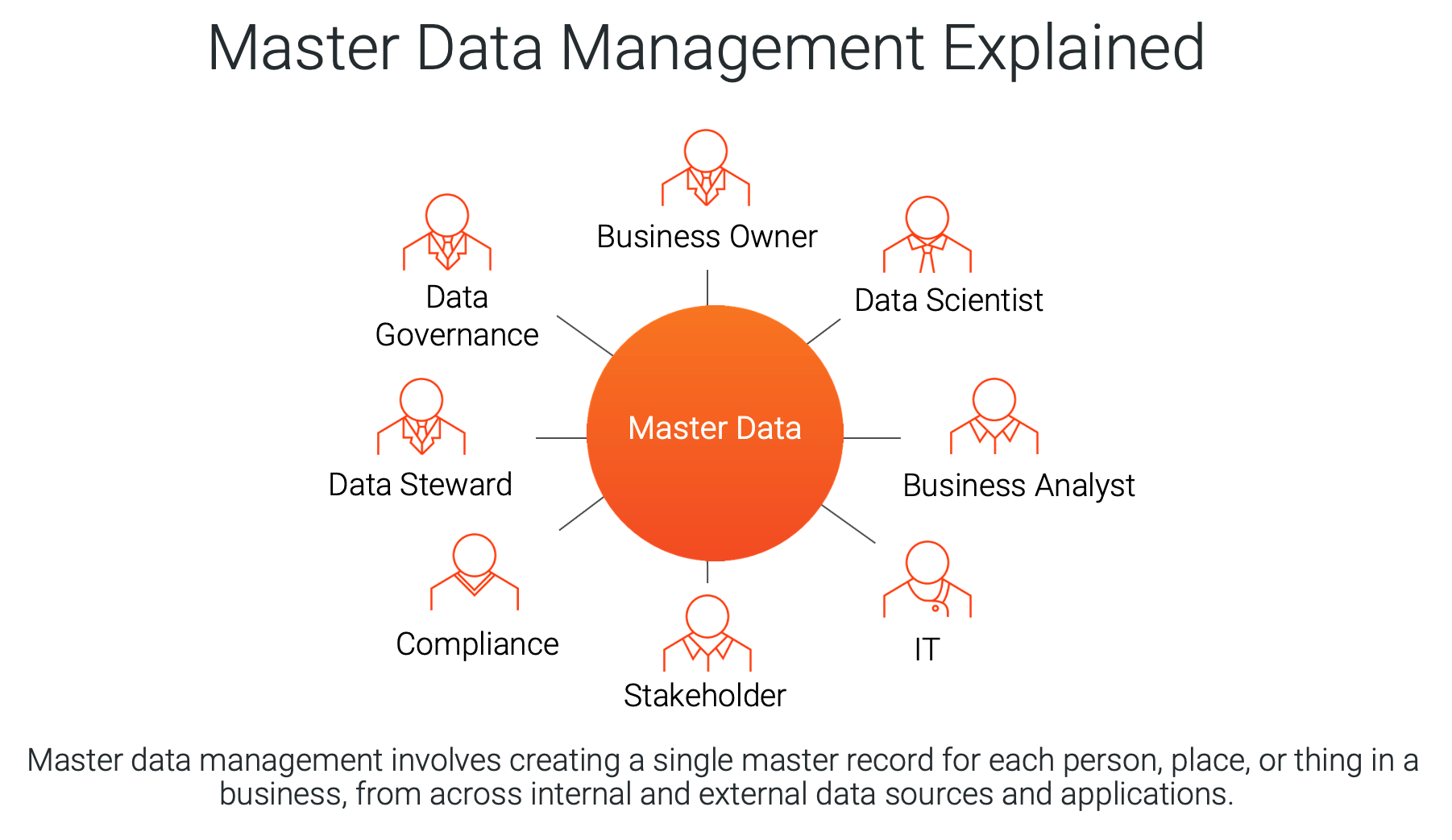
5 Ways Effective Data Management Drives Business Growth
In today's data-driven world, effective data management is crucial for fostering business growth. Organizations that prioritize proper data handling can streamline their operations and make informed decisions that lead to increased efficiency and revenue. By implementing systems that ensure data accuracy and accessibility, businesses can identify trends, understand customer behaviors, and tailor their offerings accordingly. Consequently, this results in enhanced customer experiences and improved satisfaction rates.
Here are 5 ways in which effective data management contributes to business growth:
- Improved Decision-Making: With accurate data at their fingertips, businesses can make strategic decisions that are backed by solid evidence.
- Increased Efficiency: Streamlined data processes reduce time spent on manual tasks, allowing employees to focus on core business activities.
- Enhanced Customer Relationships: Understanding customer data helps in creating personalized marketing strategies that drive loyalty.
- Cost Reduction: Efficient data management minimizes errors and reduces costs associated with mismanagement.
- Competitive Advantage: Companies that leverage data effectively can outperform competitors by responding quickly to market demands.
Counter-Strike is a highly popular tactical first-person shooter that pits teams of terrorists against counter-terrorists in various objective-based scenarios. As players engage in fast-paced combat and strategy, many look to enhance their gaming setups. For instance, consider checking out the Top 10 mac accessories for creators to improve your gameplay experience.
The Hidden Costs of Poor Data Management: Why Your Business Can't Afford It
In today’s data-driven landscape, poor data management can lead to a multitude of hidden costs that many businesses fail to recognize until it's too late. When data is inaccurately logged, inconsistently stored, or inadequately analyzed, the repercussions can extend far beyond operational inefficiencies. For instance, organizations may experience decreased productivity, as employees waste valuable time rectifying data issues rather than focusing on core responsibilities. In addition, decision-making processes can suffer, as managers rely on faulty information that skews their judgment. The question is not whether your business can afford to ignore data management; it’s about how much it will cost you in the long run.
Furthermore, the effects of ineffective data management can damage your company’s reputation. Customers today expect accuracy and reliability from the businesses they engage with. If inconsistencies in data lead to service disruptions or errors in client communications, the fallout can be severe. This may manifest as lost customer trust, which, in a competitive market, can ultimately result in lost sales. According to studies, businesses lose an average of 20-30% of potential revenue each year due to inefficiencies in data handling. Thus, investing in proper data management practices is not merely a wise choice—it's a necessity for survival.
Is Your Business Leveraging Data Management for Success?
In today's digital age, effective data management is crucial for businesses aiming for long-term success. Many organizations are harnessing the power of data to enhance decision-making, streamline operations, and improve customer experiences. By implementing robust data management practices, companies can not only ensure data accuracy and security but also gain valuable insights into market trends and consumer behavior. This strategic approach enables businesses to adapt quickly and stay ahead of their competition.
To fully leverage the benefits of data management, businesses should consider adopting technologies such as cloud storage, data analytics, and business intelligence tools. These innovations help in organizing, analyzing, and visualizing data, making it easier to identify patterns and actionable insights. Additionally, training employees on the importance of data integrity and management can foster a culture of data-driven decision-making within the organization, ultimately leading to improved efficiency and profitability.